
I am regularly looking for new ways to understand the whitetails that I hunt. One of those things is whitetail scrapes. Deer scrape in order to leave their scent, mark territory, and attract females. In this blog post, we will provide you with a helpful guide on how to identify whitetail scrapes, when bucks start scraping, and why they create these strange markings.
What are Whitetail Scraps?
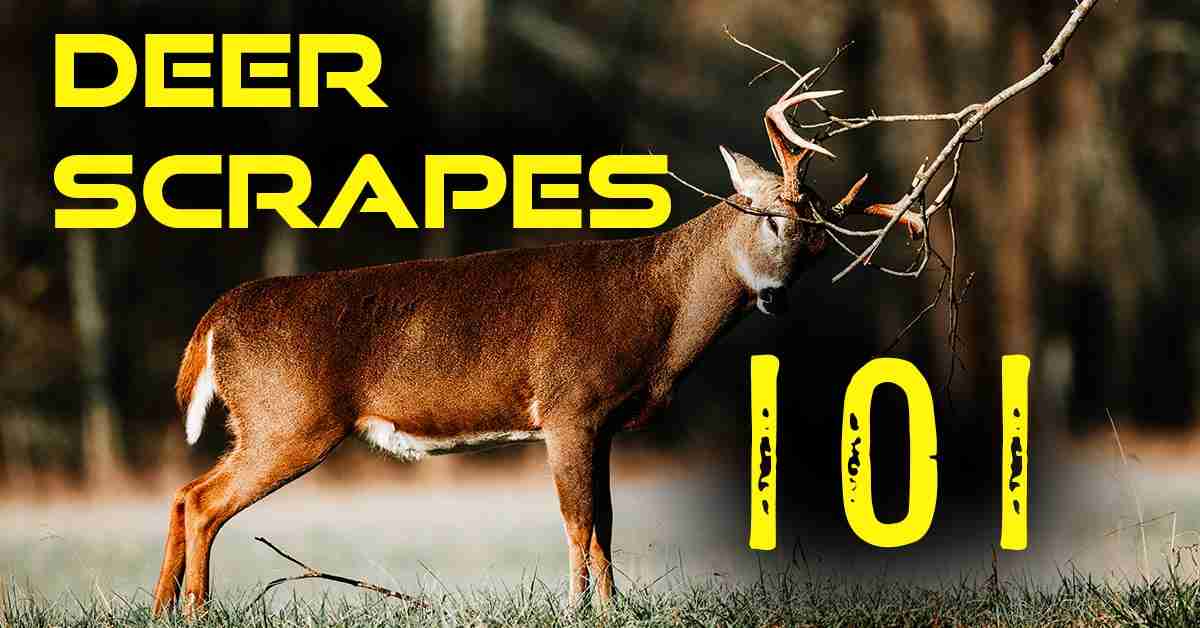
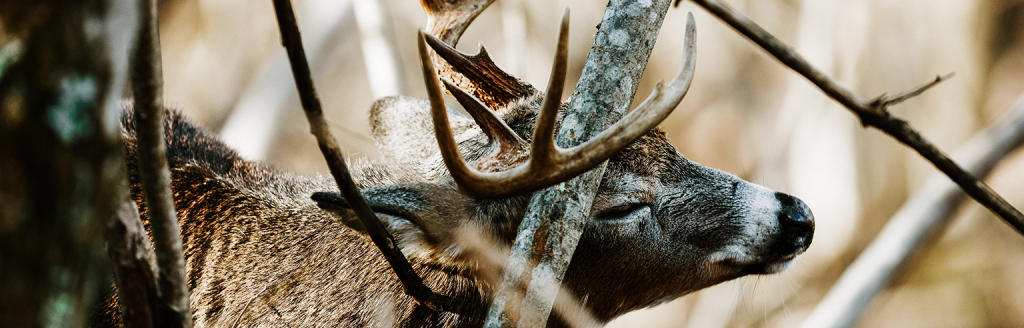
Deer scrapes are markings left on small trees and branches created by a buck’s antlers. The whitetail scrapes for the same reasons a dog would mark his territory. You can identify whitetail scrapes by looking for fresh bark that is broken off of a tree or branch.
Bucks make scrapes when they are trying to attract a mate or leave their scent. The whitetails do this by rubbing the bark and leaving behind some of his saliva, urine, and preorbital gland secretions. Bucks will typically scrape in an area that is well-traveled so that other deer smell it more easily
When do Bucks start Making Scrapes?
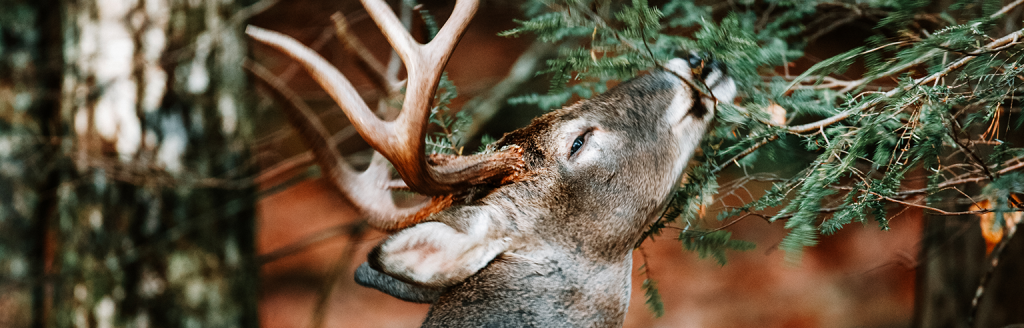
The whitetails usually make their first scrape when they have reached one to two years of age. The time that most whitetails will start making scrapes is around October or November. During this time, you might find whitetail scrapes left near water sources as it helps them attract females. But just because there is a fresh scrape in the early season does not mean the buck made it to mark his territory. This is because another reason a buck will rub a tree is to remove the velvet from his antlers. In this case, the scrape would be categorized as a “deer rub”
The Purpose of Scraping
Whitetail scrapes are left by the buck to claim its territory and attract females. The whitetails will scrape trees with their antlers during late summer through fall in order to mark their home range, as well as draw attention from does that may be nearby. Bucks also know when other bucks are entering his area because he can smell them on the different leaves they scratch up while scraping themselves against trees which makes it easier for him to find rival males and confront them about being near his property.
How to Read a Deer Scrape
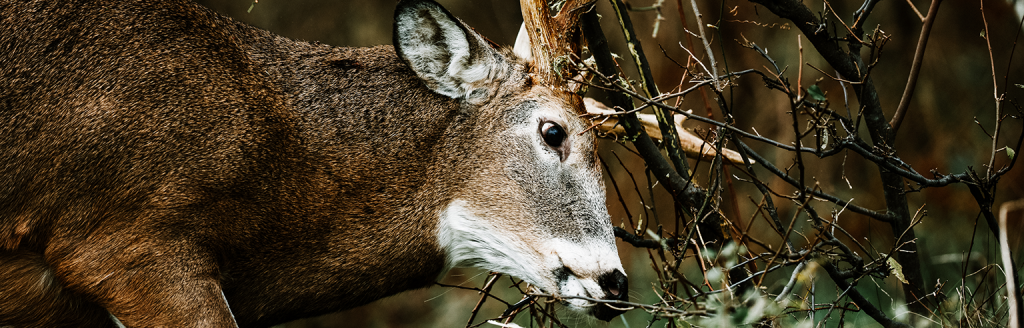
There are many different things that a whitetail scrape can tell you. First, if it is fresh this means the buck has been around in the last day or so because scrapes will dry out and the bark become brittle over time. You should be wary of hunting anywhere close to where bucks stop scraping for long periods of time as they may have left the area.
The height of a whitetail scrape will tell us how tall the buck is. A scratch on an oak tree that reaches above eye level means it was made by a mature deer. Scraping against shorter trees and branches also reveals information about the size of your potential hunting quarry because these are easier to reach without having to stretch too much (which may alert other bucks).
The depth of a whitetail scrape tells you how long it has been used. The older the whitetail scrape, the bigger and deeper it will be because of all the years worth of scraping that have taken place in a specific spot. Scrapes also tell you if there are other bucks nearby when they are fresh – a whitetails first instinct when encountering another buck’s sign is to start marking its territory so he leaves his scent on anything nearby like trees or rocks as an alert for future encounters; this means more scrapes being made by one whitetail lead to more scrapes from other deer showing up!
Scrape Lines
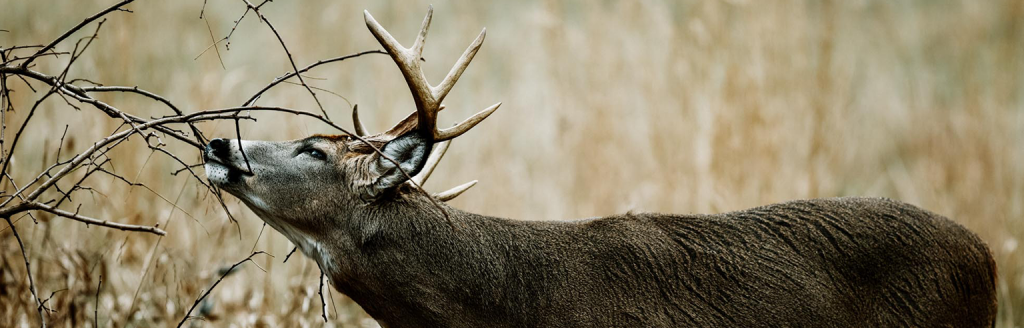
The wise hunter knows to look for “scrape lines.” The dominant deer in a territory will move up, down, and around the borders of a scrape line, usually along a trial, marking it with scrapes. A scrape line is an easy way of finding out where they are going to pass by; this makes it easier for hunters who know this fact (you now are in on the secret). What many hunters do when they find a scrape line is set up some trail cameras to get a visual of what kind of bucks pass through the area.
The whitetails usually make their first scrape when they have reached one to two years of age. The time that most whitetails will start making scrapes is around October or November. During this time, you might find whitetail scrapes left near water sources as it helps them attract females. But just because there are fresh scrap.
Conclusion
You’ve learned about whitetails and their scrapes when they start making them, why they make them in the first place. You also know how to identify a whitetail scrape by looking at certain characteristics like the freshness of the scrap determining whether it is new or old. Thank you for reading and here’s to many hunts to come!