
Many fishermen know that there are two specific types of fishing poles: those for freshwater and those for saltwater. Perhaps you are an avid saltwater fisherman and already possess a saltwater rod, but want to try your hand at freshwater fishing for a change. We are going to discuss if you want to use the saltwater fishing rod for freshwater fishing.
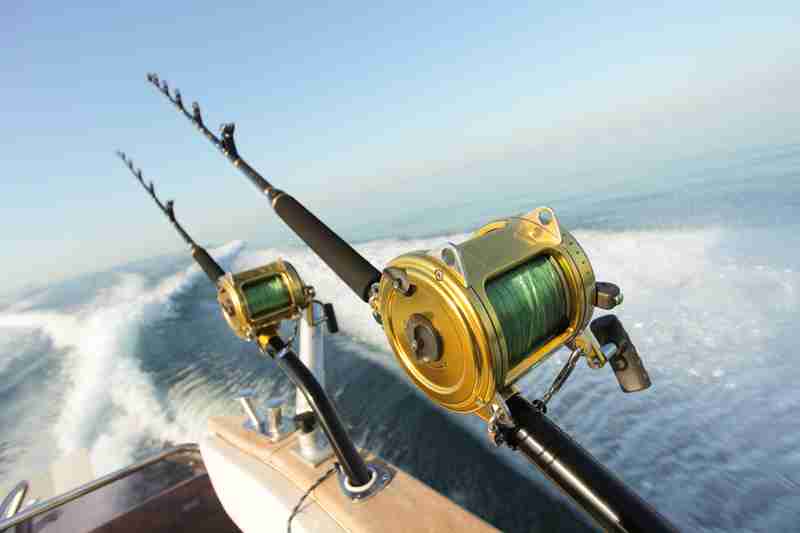
A saltwater fishing pole can be used for freshwater fishing. Saltwater rods are already made extremely tough for the salty ocean climate; therefore, the freshwater will cause no damage to the rod. That being said, the specific type of saltwater rod the fisherman has, will play a major role in how successful his fishing trip is. Avid fishermen of both saltwater and freshwater know that each pole is designed for specific fish, regions, and results. Each rod is constructed for a specific purpose and a certain type of fishing. For example, most saltwater rods are designed to be stronger to withstand not only the climate but also the fish. That means that using a pole that was meant for a giant shark, will not work well for catching a freshwater catfish. When using a saltwater pole in fresh water, make sure it is light tackle; otherwise, the pole just might be too much for our little freshwater friends. This isn’t a cause for concern when using a saltwater pole in freshwater, but the other way around, it could cause some problems. For all the saltwater anglers out there wanting to try freshwater fishing, do it! Your saltwater pole will work just fine, but if you decide to take on freshwater more often, investing in the proper equipment will be beneficial.
The difference between saltwater and freshwater fishing rods
Saltwater and freshwater fishing rods are made different for a reason. Let’s take a look at some of their differences.
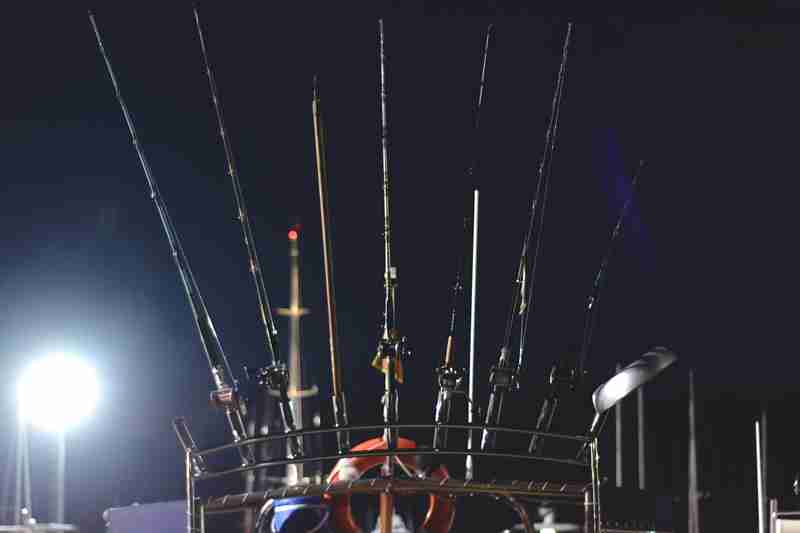
Saltwater fishing rods are made to withstand the salty water of the ocean. As many of you know, saltwater can take a toll on pretty much anything made of metal. Ever notice how some vehicles get rusty near the base as you cruise through a town near the ocean? That’s why, and the same remains true with your rod. That’s why freshwater fishing rods just do not make the cut when being used in saltwater. Saltwater rods are made of corrosion-resistant materials such as a blend of fiberglass and graphite. This keeps them from rusting and ruining your pole…and your chance at that mahi-mahi. No matter what type of pole you have, it is still good practice to dry all the water off after you’ve reeled in that big one.
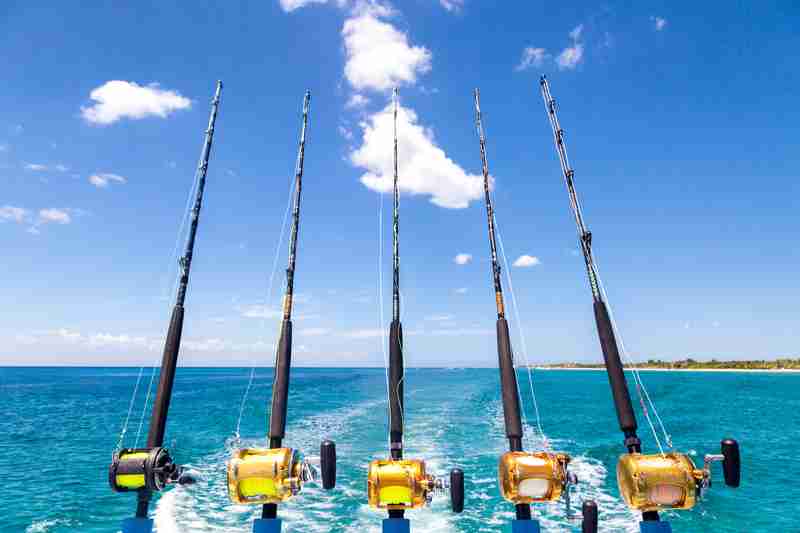
Another difference between saltwater and freshwater fishing poles is the type of fish they were meant to catch. In each type (saltwater & freshwater), you have different varieties to choose from depending on how big of a fish you’re looking to catch. Most saltwater poles are made much more heavy-duty to not only withstand the hot salty climate but also to withstand the giant fish that the ocean contains. For example, if you’re going on a shark fishing trip, you would not use the same rod as if you were just going for some red snapper. It just doesn’t make sense. Freshwater poles also come in different varieties, but they do not need to be made quite as heavy-duty as the saltwater rod. There are some big fish that inhabit the freshwater, but on average most fish are much smaller than that of the ocean. That’s why freshwater rods are made more durable and not as ‘heavy-duty’ as the average saltwater rod. Doing research on which rod will best fit your fishing needs will be extremely important for your next angling adventure.
The effect of saltwater on fishing poles
We already touched on this above, but not we will go into more depth about how much saltwater can affect fishing poles.
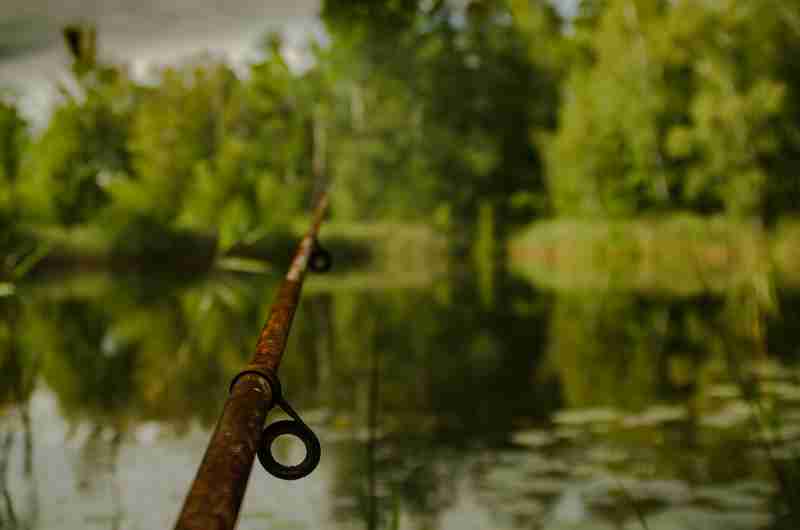
I’m sure after reading the past few paragraphs, you know some of the effects that salt water has on fishing poles. But let’s get into the science behind the results and what could happen to your gear if not properly managed. Basically, the salt inside ocean water helps speed up the rusting process of metal. Just like regular water will cause rusting if it has enough time to sit on the metal, adding salt just speeds up the entire oxidation process. This isn’t good news to us fishermen, because some of our gear is made of metal. That’s why when fishing in saltwater, you need the proper gear designed for saltwater; otherwise, all your freshwater gear will end up rusty and unusable. Perhaps you did happen to use your favorite freshwater lures on your saltwater excursion and found upon opening the box, a giant rusty mess. There might still be hope. You can always clean them with gentle soap and water as soon as you notice, and scrub off the rust with a toothbrush. It won’t be as good as new, but it will be usable.
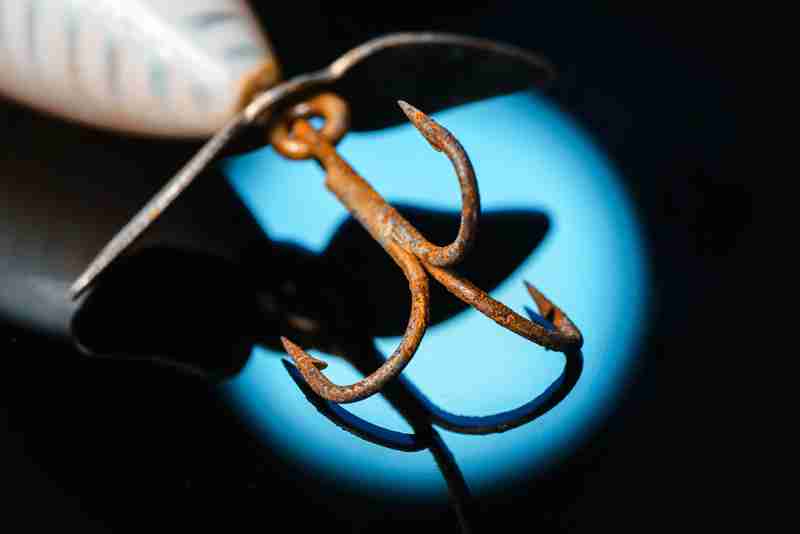
This is just one example of how the tiniest bit of saltwater can completely ruin your gear and your day. Here’s another tip when fishing in saltwater. Wipe off your gear when you are finished. Get as much of the saltwater off as possible so it doesn’t have a chance to corrode. Kill the rust at the source. I hope these tips help for your next ocean fishing trip. In the end, just buy the right gear and take good care of it. If you do that, you’ll be golden!
Recap
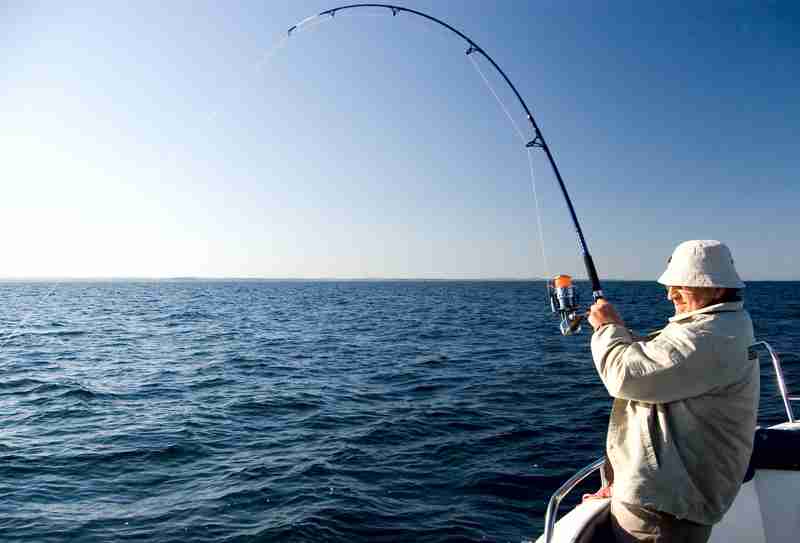
Saltwater rods can be used in freshwater without a problem. Freshwater rods in saltwater…not so much. The main difference between saltwater poles and freshwater poles is that the poles designed for saltwater are made to withstand salty water and giant fish, while the freshwater pole is made more durable and lightweight. Saltwater can have some nasty effects on your fishing gear. Use the right gear for the job, and clean it properly. Happy fishing.