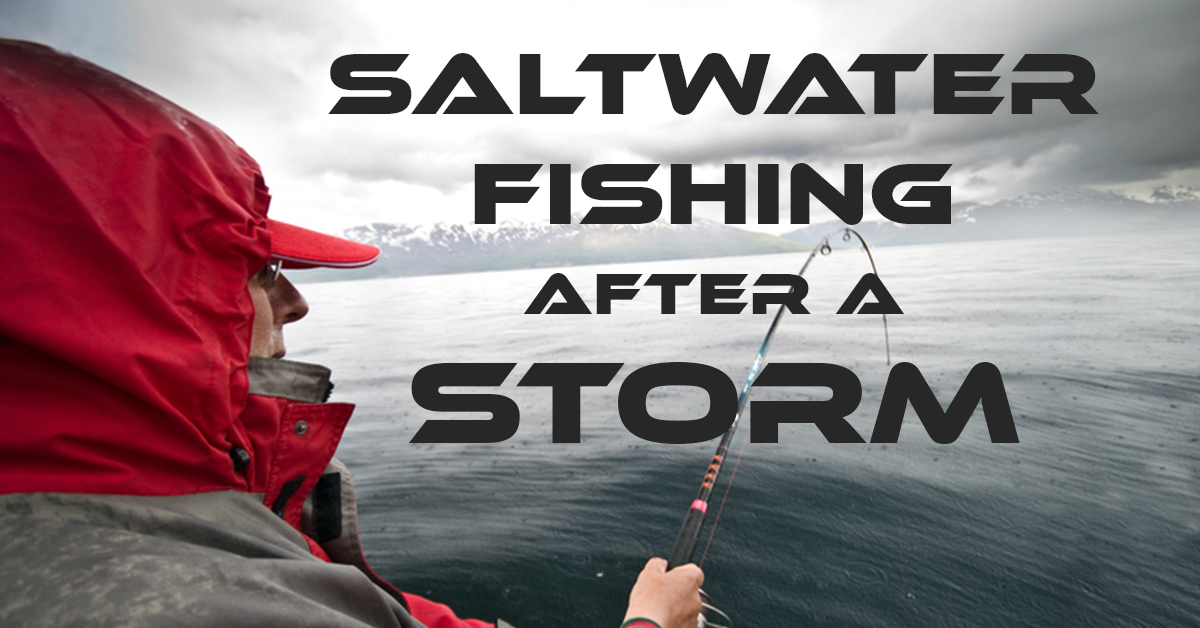

Saltwater fishing has many variables, including weather conditions, like a storm. Also, there’s a significant difference in a storm’s impact on saltwater fishing vs. freshwater, so extrapolating the effects on either is unwise. That said, you may wonder, is saltwater fishing good after a storm?
Saltwater fishing can be good after a storm depending on its severity, where you are, the season, and the species thriving in your region. Also, a storm’s aftermath, local factors, and your expertise shall determine whether or how rewarding saltwater fishing will be.

There’s a consensus of sorts among anglers that saltwater fishing is good after a storm. But the reasons most people cite are usually based on beliefs and general perceptions, not all of which are scientifically accurate. Read on to know why and how saltwater fishing is good after a storm.
Why Saltwater Fishing Is Good After a Storm
Let me begin with a few caveats. A typical afternoon storm in the tropics doesn’t have the same effect on saltwater fishing as a similar weather event in the cooler temperate zone. Also, storms and hurricanes have different impacts on saltwater fishing, including the local influencing issues.
Here’s why.
A storm brings about a significant change in atmospheric pressure, which creates and influences oceanic waves, tides, and currents. These factors, combined with strong wind, change the hydrostatic pressure.
Simultaneously, there is a substantial change in temperature in most cases. All these elements compel saltwater fish to adapt and be more active. Intense activity compels all fish species to look for food or eat more than usual.
Thus, saltwater fish have to deal with all the changes before and during a storm. Most species find a safe refuge during a storm, which also warrants intense activity. Once the storm passes, these species are active once again and in need of food.
Thus, saltwater fishing is good after a storm, especially in warmer or tropical regions.
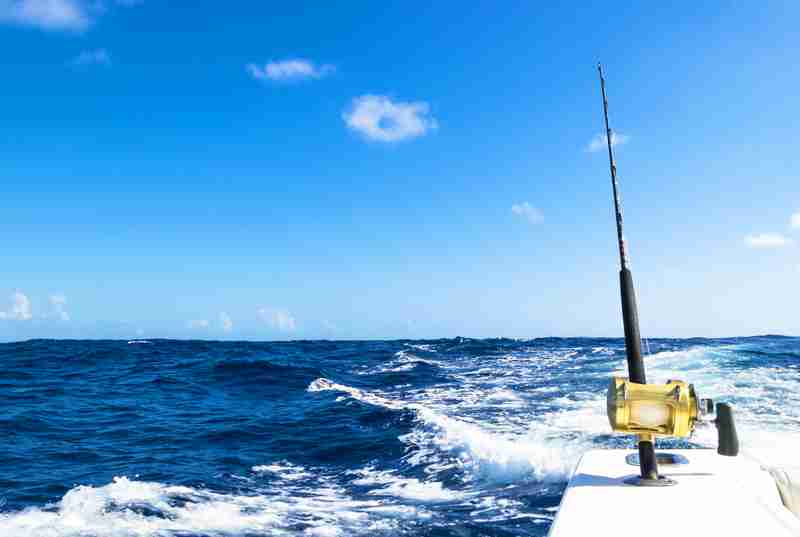
Contrary to what you may read online, barometric pressure changes don’t trigger any senses in fish to eat more, be it before, during, or after a storm. Also, barometric or atmospheric pressure doesn’t have the same impact on seas or oceans as it does on lakes, ponds, rivers, and other bodies of water.
It’s the changing hydrostatic pressure due to waves, tides, currents, and wind accompanying a storm that compels fish movement and activity. The activity or movement and compulsion to adapt to the changing hydrostatic pressure are what make saltwater fish hungrier.
Also, fish are opportunistic eaters.
Storms bring baitfish closer to the shore, and coastal areas have a lot of food in the runoffs. The baitfish and abundant food draw the game fish. Therefore, you can expect fierce activity and bites while saltwater fishing after a storm.
When Saltwater Fishing Is Good After a Storm
Saltwater fishing is particularly rewarding immediately or shortly after a storm. Of course, you should ensure that it is safe to venture out, as severe thunderstorms often have a trail of lightning as the turbulence stops.
That said, your aim should be to lure fish coming out of their refuge.
Saltwater fish must adapt to the changes after a storm. The hydrostatic pressure changes as the waves, tides, currents, and wind are calmer. Also, the low light immediately after a storm is akin to dusk and dawn for the fish, two periods when anglers routinely encounter more bites.
Where Saltwater Fishing Is Good After a Storm
The best places for saltwater fishing after a storm include the following:
- Inshore
- Estuaries
- Creeks
- Flats
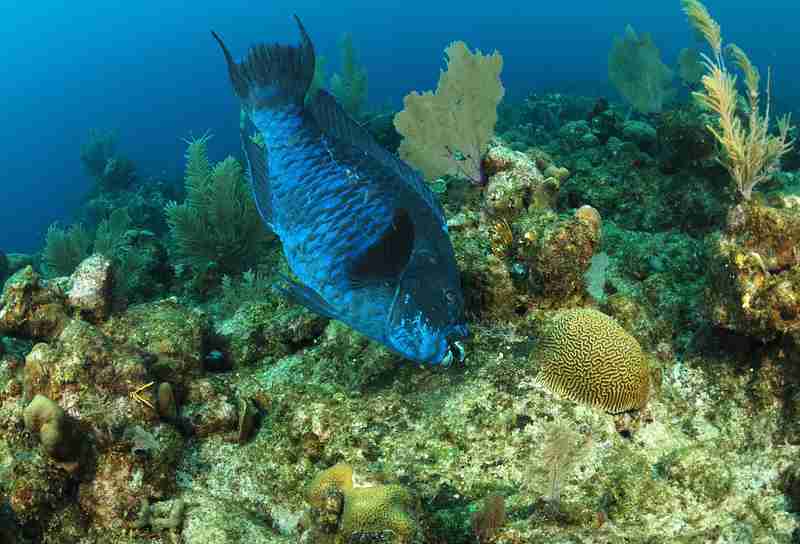
- Reefs
- Runoffs
If you restrict your saltwater fishing adventure to the shoreline, prioritize the areas where there are canals, stormwater drainage systems, or culverts nearby. These regions are likely to have a lot of runoff. In other words, there will be more food for hungry saltwater fish.
Also, look for spots near reefs and other natural hideouts where saltwater fish would seek refuge during the storm. These species are likely to come out after the storm hungry, and your bait shall be waiting with food.
However, some species swim to calmer and deeper waters during a storm and may stay there after the storm passes. Hence, you have to fish deeper if you want to catch such fish.
Or you can focus on saltwater fishing in shallow depths with topwater lures, which will work fine.
When Saltwater Fishing Is Not Good After a Storm
Saltwater fishing isn’t good or rewarding after an extremely mild or devastating storm. Also, the water condition has a key role. Usually, saltwater fishing in muddied water after a storm wouldn’t fetch you a great catch unless you are at a hotspot.
On a different note, storms in cooler regions don’t bring about a treasure trove.
Saltwater fish don’t eat much when it is already cold as they remain largely inactive. Plus, a storm is likely to cause a further drop in the temperature, which isn’t ideal for saltwater fishing.
Furthermore, whether or not saltwater fishing is good after a storm depends on the species you wish to bait. You won’t have much luck with the species that dive deep into the calmer waters to escape storms.
However, you can use topwater lures in shallow depths for the following saltwater species:
- Snook
- Tarpon
- Redfish
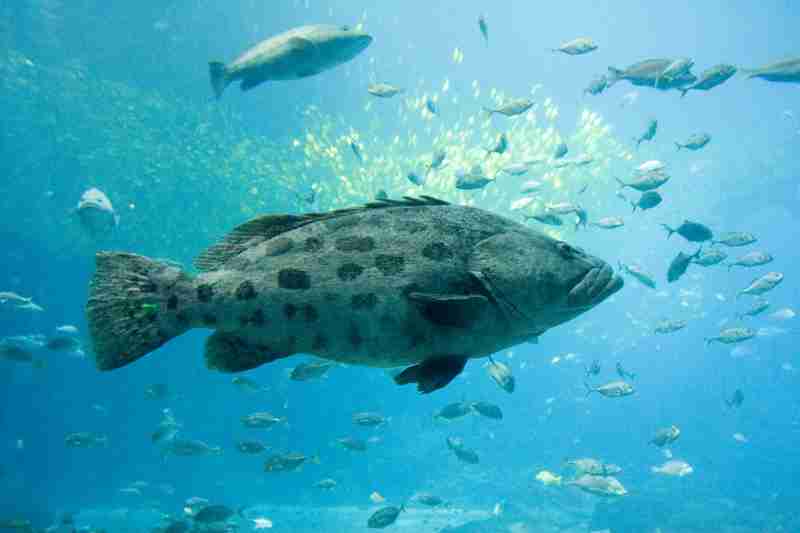
- Grouper
- Flounder
- Speckled trout
- Mutton snapper
Is It Better To Go Saltwater Fishing Before or After a Storm?
It is better to go saltwater fishing before a storm than after a storm. Most species tend to be more active before a storm as they have to move and adapt to the changing conditions. Thus, a lot of species looking for food are much more likely to bite your bait before a storm.
It is worth mentioning that the oceanic conditions change long before we encounter a storm. So, saltwater fish respond to the wind and waves on the high seas much earlier than a front hits, or a storm makes landfall. Thus, saltwater fishing is almost always better before a storm than after.
Is Saltwater Fishing Good During Rain?
Saltwater fishing may or may not be good during rain, depending on where you are and the species you try to lure. Rain creates disturbances and affects visibility, so saltwater fish may not be enticed by your bait. However, shaded or calm areas are a different story.
You may get lucky if you are saltwater fishing under a bridge, next to a pier, or close to a refuge, like a reef, when it rains. Otherwise, all the effort and enduring the rain may not be worthwhile if you only have one small snook to your credit.
Conclusion
Saltwater fishing is good after a storm unless we’re talking about a catastrophic event. Also, if you are near a large estuary, you may find a jackpot after a storm as the massive outflow from the river brings abundant food for saltwater fish, and most species are opportunistic eaters.
The other factor to remember is locating the hotspots.
Saltwater fishing is about identifying the spots where your preferred species are, which is easier said than done because the patterns change. After a storm, you must figure out where you will find a lot of hungry fish.