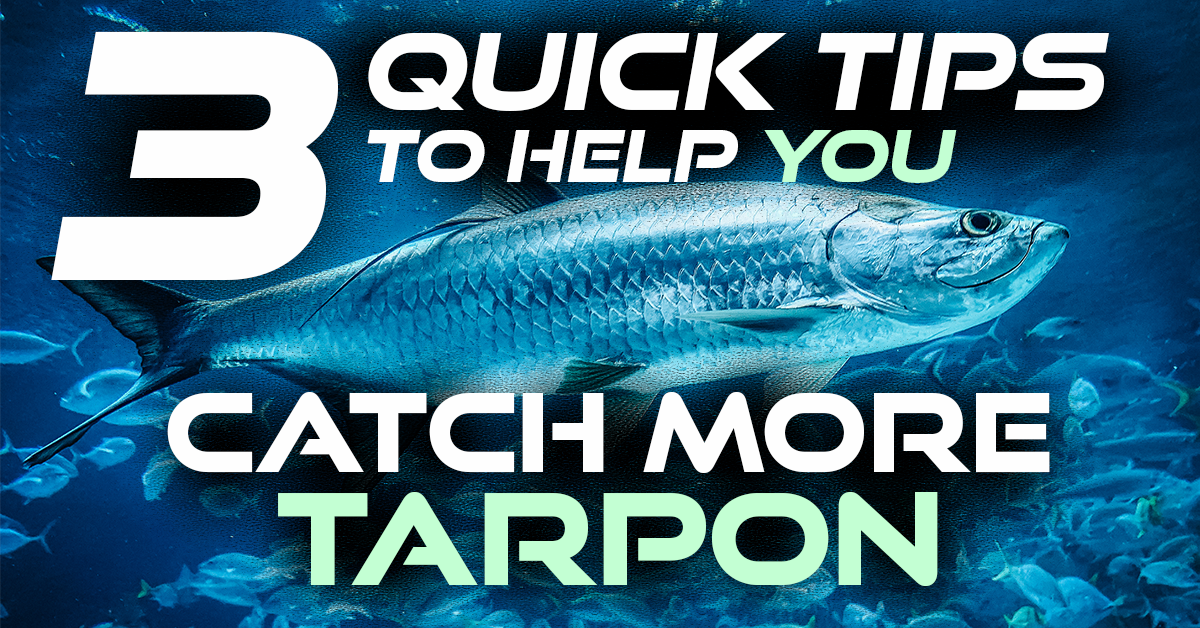

When it comes to fishing, there are many different types of species that anglers like to target. Some people prefer the thrill and excitement of catching a large tuna or swordfish while others may take pleasure in reeling in a small trout from the nearby stream. But the pursuit that has become increasingly popular over recent years is tarpon fishing.
Tarpon are one of the most sought-after species in saltwater fishing. Popular places to fish for these beasts are the Florida Keys and Hawaii. But they can be found all over the world and are known for their tough scales and silvery appearance. Growing over 8 feet in size and can weigh more than 350 pounds, it is no wonder anglers are hooked on reeling in these giant beauties. Here are 3 quick tips to help you catch more tarpon plus a Q&A at the end…
Content Overview-
1. Use a Live Bait
2. Wear polarized sunglasses to Spot Your Target Tarpon
3. Start Fishing When the Tide Change Begins
4. Questions & Answers
1. Use a Live Bait
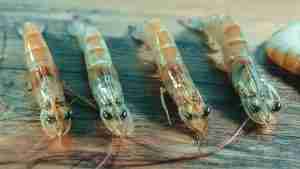
The most effective way to catch tarpon is with live bait, not lures or other artificial methods. It is a lesser-known fact that tarpon are bottom feeders, so try to lure them up from the ocean floor by using live shrimp or cut fish as bait. Squid is also a great option and is more affordable than shrimp. Try squid if you can find some in your local market. When baiting, use a small circle hook thin wire extra strong 3.0-4.0. It may seem silly for such a large fish but the thin hook will allow for easy piercing in the tarpon’s lip. You will be amazed at the size of tarpon you can catch with such a small hook! Plus the small hook size will allow you to use tiny baits that tarpon go crazy for such a shrimp. The small hook will make the shrimp look natural and ripe for the taking; this is extremely important as tarpon have incredibly good eyesight and will not bite suspicious bait. But if 70-pound beasts come in for bite it is important to have a bigger hook size on hand, such as a 6.0 size circle hook. A 70-pound monster tarpon could definitely bend a hook smaller than a circle 6.0.
2. Wear polarized sunglasses to Spot Your Target Tarpon
Most people are aware that polarized sunglasses help to reduce glare from the water, but did you know they also help when fishing tarpon?
The best way to fish for tarpon is by sight casting. This means you can’t just throw your bait out in any direction and hope it lands near a school of them. You’ve got to have great eyesight so you know where the fish are before making your cast.
Polarized glasses make everything look sharper and clearer because they effectively cut through reflections on the surface of the water (such as waves, droplets, or sunlight). They also reduce glare from other objects like windows or reflective pieces of equipment. With these two benefits combined, anglers using polarized lenses will be able to see deep into the water to be able to spot tarpon easily. My favorite pair of sunglasses is the Costa Rincon. It has style, comfort, and most importantly the lenses are crystal clear and give you an almost superhuman vision. Even on the brightest days.
Check them out on amazon here.

3. Start Fishing When the Tide Change Begins
Tarpon fishing is a difficult endeavor and requires anglers to be well versed in the tides, currents, and winds. They are also one of the most demanding types of fish to pursue because it takes time to learn how to find them in different situations. You will have to pay close attention to the moon phases as they determine when tarpon are going on their feeding frenzy. When the moon is out and the tide is moving, tarpon prime time begins. It is even better to fish these conditions at night as it will be easier to fool a tarpon that your bait is safe to bite.
When offshore, one way that you can improve your chances of catching a tarpon is by following white seabirds which fly over schools of baitfish or pods of dolphins that might be drawing tarpons closer for an easy meal.
4. Questions & Answers
- When is the best time of year to fish for tarpon?- A great time to fish for tarpon is in the summer when they’re closer to shore. You can have great success fishing for tarpon during their winter migration season as well.
- What is the leader line strength to use when tarpon fishing?-This question has a few different answers depending on who you ask. Some anglers say that they prefer heavier lines with 60-pound test and running rigging setups, while others may advocate for lighter 50-pound test rigs. It all depends on the size of the tarpon in the area. But better safe than sorry, so it is best to opt for the heavy-duty stuff.
- How do you catch tarpon in the surf?- Catching a tarpon in the surf is tough, but not impossible. There are some important things to remember when fishing for these fish. One thing that you should absolutely do before you even think about putting your bait out is to check the tide chart. The best time to catch a tarpon on the beach is during an incoming tide because this makes it easier for them to feed on small crabs and sand fleas that live just below the surface of the water. Tides change throughout every day so make sure that you’re checking at least once per hour (sometimes more) if there’s any chance that there might be an incoming tide soon.
- How do I spot tarpon before casting my line?- The best way to find tarpon is by looking for baitfish, like mullet or shad, that will be chasing schools of small shrimp near the surface of the water. Tarpon might not show themselves at first but if you start reeling in your lure slowly they’ll come up from below to take a bite. Don’t forget to use live bait too!
- Are tarpon good to eat?– Tarpon are not considered a delicacy. Their popularity comes from the impressive fight they put up. But they are edible. The flesh of the tarpon is slimy and has a strong odor. It’s a firm, meaty fish that can be prepared as fried, steamed, baked, or grilled.
Tarpon are not good to eat raw because they have parasites in them. They also have an overabundance of bones so you’ll need to take those out before cooking them. They are considered more trouble than the effort required to make them edible table fare. - Do I need to be strong to reel in a tarpon?-Reeling in a tarpon is not as simple as it looks. A lot of people think that all they need is strength to reel the fish in. However, there are many factors that come into play during the fight when reeling in a tarpon. Having strength definitely helps but that is not everything when it comes to putting up a solid fight with one. Patience, good balance, and a little coordination go a long way and can mean the difference between success or failure.